← Back

Thank you for your response. ✨

Warning

PlanktonPunkt Designs puzzles available in CreateJigsawPuzzles

link to order print on demand PlanktonPunkt Designs jigsaw puzzles (printed in China)

PlanktonPunkt Designs POD products in Printify

link to order PlanktonPunkt Designs print on demand wares from the source

PlanktonPunkt Designs POD products in Etsy

A link to order from a selection of PlanktonPunkt Designs print on demand wares from Etsy

Author: PlanktonPunkt

  • Jigsaw Puzzles – 5

    To apologize for the vanished free jigsaw puzzles, here are two until I design more. These are photographs from around Berkeley, CA, which I gave more color and adjusted brightness and contrast. As before, click the picture to open a jigsaw puzzle and, please, have fun!

    Weed

    Unbothered. Moisturized. On my lane. Happy. Focused. Flourishing.

    Humble but resilient weed (80 pieces).

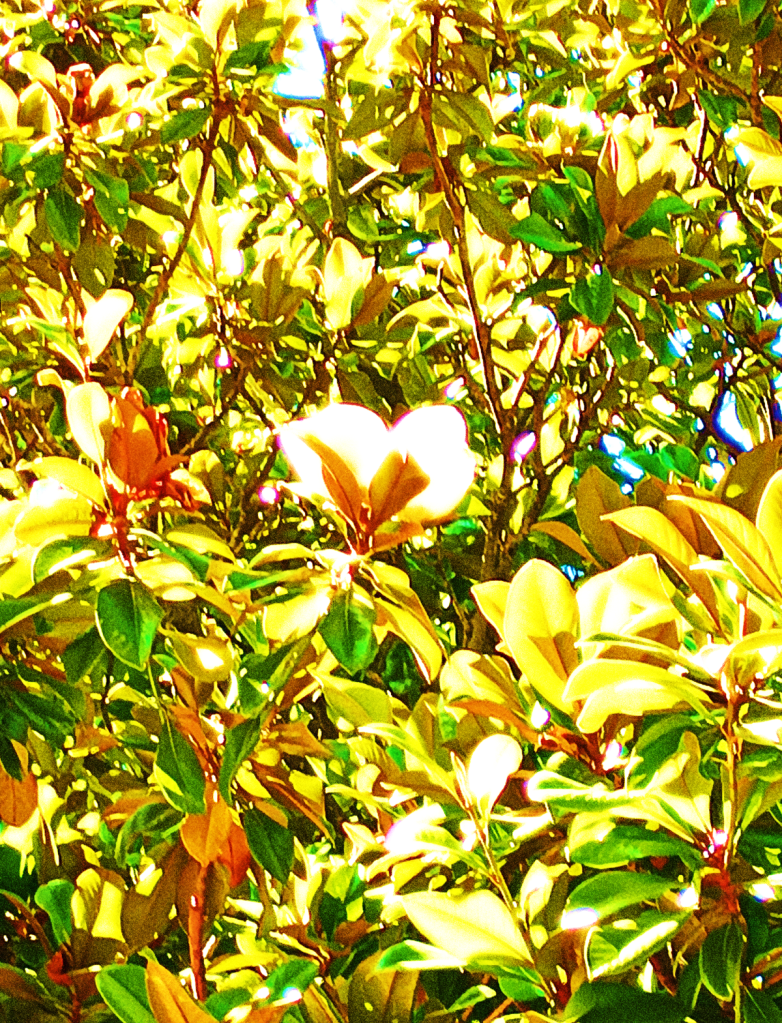
    Colored Magnolia Flower

    ( 130 pieces)

  • Insects Are Vanishing

    A small Hymenopteran and a probable bug in the same flower in Berkeley, June 2025

    Recently, a samizdata channel I watch has had multiple reports that insects are missing this summer, in locations scattered around United States.

    This was not unexpected. The reduction in insect numbers started decades ago, if German amateur entomologists’ data is to be believed, but it has since been recorded around the world, including places like Colorado and Costa Rica.

    The scientists have sounded an alarm – insect are possibly the most important group of land animals in terms of species numbers and biomass. They are important pollinators, decomposers, soil and biome modifiers, and they disperse nutrients even when not serving as important food source to other species in food web.

    Bee colony collapses around USA and the rest of the world have been reported for years, and is important for food production and economic reasons. Without the ~2 million beehives transported annually, canola, almond, citrus, and many other insect pollinated crops would collapse. Because not only the natural pollinators are about gone, all the flowers in monoculture orchards are blooming only few weeks a year.

    The loss of insects has been attributed on a variety of reasons, among other things pesticide use (and other environmental poisons, including chemtrails and 5G radiation), monoculture, spreading diseases (especially Varroa mite born in bees), and changing climate. While a large number of species are affected, reading the reports has given me an impression that the selection of missing species seems to vary from place to place, suggesting multifactorial causes. The modern world apparently does not have space for bees or butterflies.

    I would probably blame monoculture, i.e., humans have appropriated too fat a slice of ecological resource flows for themselves. Traditional agricultural landscape in Europe had many verges, ditches and hedges, where wild plants and insects that relied on them could flourish. Now such places are rare.

    For example, I have observed in horror, how most species of the meadow flowers, once common on road sides near Turku, Finland, seem to have had a population collapse in the past decade. I blame this on the municipal maintenance crews mowing the verges before the seeds have ripened. Annual plants fare the worst, but I suspect perennials will eventually follow. Any insects relying on those flowers also likely fared poorly.

    As the small wild spots grow fewer and further between, I suspect we have crossed a critical threshold on insect metapopulation dynamics. Ilkka Hanski, studying Glanville fritillary butterflies living on dry meadows on rocky islands, showed that as long as there were enough patches with butterflies near each other (in this case, the minimum was estimated to be 32 patches covering total 10ha over 5km2 area), individual patches of plants or insects living on them could be ephemeral, i.e., the butterflies on a given patch could disappear or appear from year to year, but the butterfly populations of individual patches form a metapopulation that keeps the species going if the amount and density of patches are sufficient.

    Extrapolated onto insects in general, I think the on-going collapse may indicate that despite good people setting their individual gardens for butterflies, bees and other insects, if a garden population is lost, for example to local bad weather or disease outbreak, there are no longer enough insect patches left nearby to repopulate the patch. Sooner or later, isolated gardens will lose their insects. And then the metapopulation is gone.

    What can be done to reverse this trend? I suggest starting by restoring some verges. Also not mowing your yard while the flowers are seeding, as ugly as the drying seedheads may look. Insects are not very big, so they do not require nearly as large sanctuaries like roaming megafauna, but there should be plenty enough patches to maintain a viable metapopulation, so that if some species is lost from one spot, it can be colonized by insects from the neighboring spots. I believe this type of microrewilding to be compatible with current human population, possibly even essential if we want to retain their ecosystem services necessary for food production. Assuming there are no confounding factors like (possibly) 5G radiation to prevent its success.

  • Lemons

    A short video about lemons and other citrus in Berkeley, California.

    Click the image to see the video
  • Possible Bad News

    I fear that if the ceasefire between Israel and Iran fails, USA will be entering into two-front proxy war.

    Our current proxy war in Ukraine is not going well, and we are pulling our weapons help away (every other day, it seems, on the other days we are giving them more). European part of NATO is upset but considering the state of their economies and especially their armies (with a couple of exceptions), I doubt their help will be decisive in any manner. If it would be, this war would have been over years ago.

    I thought the news about us stopping to give missiles to Ukraine was about our economy and military-industrial complex, which in these days is more military than industrial (our industries having been long since outsourced), no longer sufficing for policing the world, but the latest rumor / development, namely China (PRC) strengthening its military support to Iran to counter our support to Israel, if true, means potential opening of a new proxy war. Against the biggest manufacturing powerhouse in the world that desperately needs a boost for its stalled economy. And needs the Iranian oil, the access to which has been complicated by the conflicts involving US backed Israel (although China has benefited hugely from US sanctions which have forced Iran to sell their oil on discount.)

    I have for some time thought about China and Iranian oil and China-Iran railway, and how Japanese got motivated to attack to Pearl Harbor by US blockade of Japanese oil imports. Just having an ominous feeling about this.

  • Rising Rice Crisis

    Japan has a rice shortage. Of staple rice.

    While there has been sporadic rice shortages around the world recent years, Japan is a first world country and a traditional rice producer. The problem is word traditional. According to First Post, the average age of Japanese rice farmer is 71 years, and government agricultural policies in general and rice policies in particular have hit the farmers whose numbers, citing Bloomberg, have shrunk by 25% between 2015 and 2020s.

    Probably not Japanese boiled rice

    The Japanese government rice policies are strictly nationalistic, ostensibly designed to protect Japanese rice farmers and self-sufficiency by preventing rice buying from abroad. Except the consumer prices also had to be regulated, squeezing rice farmer incomes and acreage despite Japanese soft monopoly on domestic rice.

    The some explanations to Japanese rice shortages is that Japanese 2023 rice harvest was bad (already reporting rice rationing in some shops on 2024), there was an earthquake and people are panic buying (also as a hedge for rice inflation, which probably increases the rice shortfall causing more rice inflation), people are eating more rice because the war in Ukraine has increased wheat prices, and that there are hordes of tourists eating rice. And the Japanese government started selling the stored rice from reserves last year. A bit like US sells oil every now and then from strategic reserves to smooth consumer sentiment. Except that Rice News Today blames the shortage on government policy to reduce rice production, which has thinned the buffer between production and consumption to such extent that even slightest consumption increase would cause shortages.

     Now Japan is running low on rice and some shops have implemented rationing. People are upset about the steep rise in rice prices. There has been some talk about buying rice from abroad, but this is against resistance from farming lobby and conservatives, though apparently there is now a trade deal to sell Calrose rice to Japan.

    The Japanese are having an election soon, July 20th. The price of rice and the rice shortages (estimated 1.8 months of annual supermarket sales worth of staple rice – either the consumers will consume something else or Japan will soon import lots of rice) may annoy the electorate enough to lead to political upset. According to Zerohedge, SocGen (a French bank) has predicted that there is about 50% chance of election results leading to governmental crisis in Japan, which may lead to problems in yen bond market. More importantly, the price of rice is part of Japan’s inflation metrics, and if rice prices explode, the rising inflation may trigger BOJ rate hikes.

    The global bond markets are highly interconnected and the financial omnibubble is floating around in search of a pin prick. Thus, the rising rice crisis just could be the trigger of global financial collapse. Though I personally doubt it. The markets are so rigged that full collapse by contagion is unlikely. But what I have seen over the years, is that small retail investors rarely fare well in turbulence. 

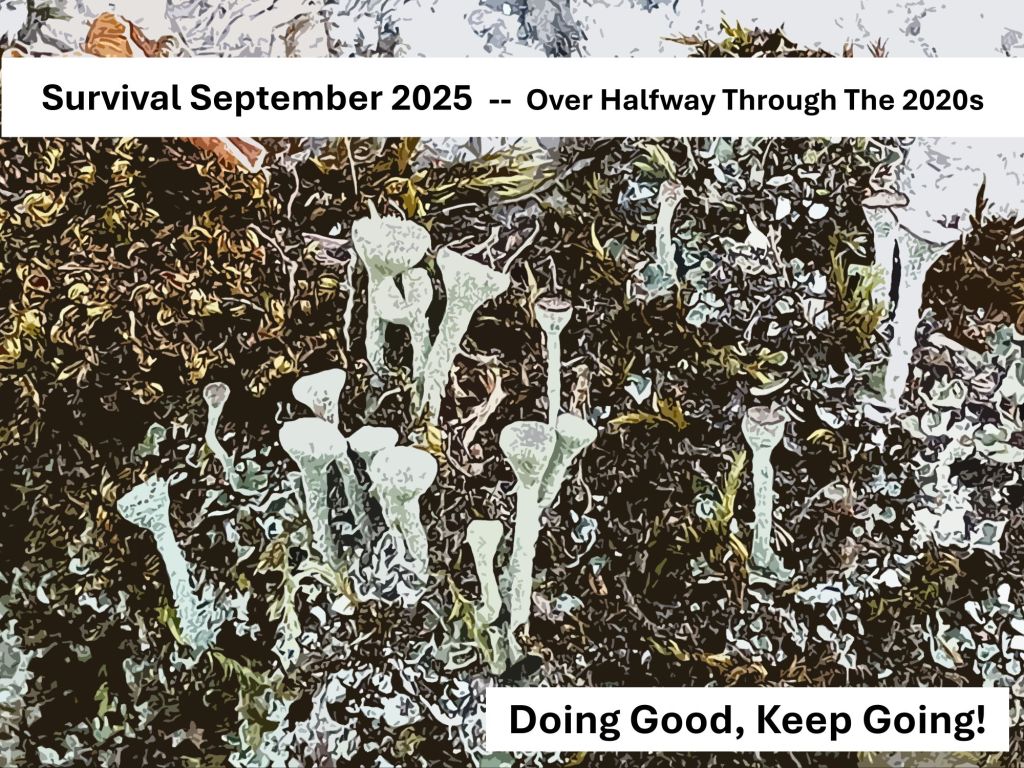
  • Lichens

    I have been planning and working on making short form videos. The Morning Chorus was a test video filmed at one go but this is a slideshow converted into a video.

    I hope you like lichens.

    Update, July 9th, 2025: I have edited the video, trying to improve the sound quality and changing the text a bit.

    Finnish lichens, photographed 2025

    I do not know where the crack in voice track and and flicker in video come from. Some programs do not show it, others do. If you have any idea, I’d appreciate the info…

    Update, July 9th, 2025, continued: apparently these cracks were a bug in PowerPoint I used for converting a slideshow into a video – I ended up loading the individual slides and separately recorded voice tracks into Clipchamp and cutting, stretching and pasting them there into this updated video.

  • Happy July 4th, 2025

    Or Treason Day, if you happen to live in UK. In recent years, I have been watching the fascinating news from that side of Atlantic with increasing horror. Sure makes me glad I am a US citizen, not a subject to the whimsies of Prime Minister Starmer. For the past couple of visits to Europe, I even have specified to my travel agent: no stops in UK.

    Why? When Soviet Union was a thing, if you traveled there for cheap vodka (vodka tourism) and other cultural immersion, you would only be charged for drunken and disorderly, such as might happen. Obviously, potential troublemakers would have been screened during visa application, but even people caught inside Soviet Union for the heinous crime of smuggling Bibles were sentenced merely for what they were doing in Soviet Union. Or so I think. However, according to an Internet source, officials in Starmer’s UK have stated that folks traveling to UK are subject to prosecution for doubleplus ungood on-line speech even typed outside the UK borders, even if they are not UK citizens. I think such dictatorships are to be avoided, especially when they have gone clearly bonkers. I love and I am grateful for my First Amendment rights, and this is one of the reasons I am happy this Independence Day.

    I have bought a steak and cherries, to be eaten soon, some canned fish for future, and had an Asian/Pacific Islander style BBQ beef minimeal with teriyaki sauce for breakfast.

    Big white magnolias are in bloom, and I have tried to get a nice photo of them for days, but that has been difficult. Many of the trees are very big and the flowers tend to be in the upper branches, either too small for my cell phone zoom or obscured by leaves and branches. Or the flowers are not otherwise accessible to photography. When I see a magnolia bud at nice, near to eye level, getting back in time before it has bloomed and is wilting is tricky, apparently the blossoms open and are done at a quick rate.

    Here are a couple of magnolia flowers I photographed with my cell phone today.

    One of these days, I should make more jigsaw puzzles.

  • Särä

    Särä is a traditional meat dish from Karelia which has been in use since Medieval times (with modern adjustments) in Finland.

    The recipe is for cooking brined sheep with salt in birch wood vessel (supposedly giving name to the dish) in wood fired oven. The meat is turned and extra fat was drained at about midway of cooking. Towards the end of the cooking, some half-boiled potatoes (in the meal photo, they appeared to be peeled, too) are added under the meat for the final hour of baking. The original Medieval recipe probably used turnips instead of potatoes, since potatoes arrived to Finland later, during 18th century.

    My modern lamb in oven uses unbrined lamb shoulder chops with bone in them, sprinkled with iodized salt, and wrapped in aluminum foil (I know, very dangerous, and misuse of hat material) to be baked in oven that has been set at 350°F until the meat smells cooked. Not särä, really, but I like the ease of cooking and the taste.

    Not särä, July 3rd, 2025

  • Spring Flowers in Berkeley

    One project I was proud of was the series of five collages, Spring Flowers in Berkeley.

    Spring Flowers in Berkeley 1 – Urban Beauty

    All these flowers were photographed in Berkeley, CA from March to May 2025.

    Spring Flowers in Berkeley 2 – So Many Varieties

    The only modifications were cropping and adjusting color saturation, warmth, brightness and / or contrast. Except for one of the background images that may have more manipulations to make the background prettier.

    Spring Flowers in Berkeley 3 – Beautiful California

    Yes, palms have flowers, too. By the way, palms are not trees but monocots like lilies and grass.

    Bay Area climate supports an impressive variety of ornamental plants from all the inhabited continents (Antarctica does not count), and the residential streets of Berkeley are an ideal place to spot them blooming.

    Spring Flowers in Berkeley 4 – Relax and Enjoy

    Spring Flowers in Berkeley 5 – Moments of Calm

    These five collages have been uploaded to CreateJigsawPuzzles site and can be bought from there (click a picture and the link will take you to the shopping page), though I should warn the US readers that the current tariff situation with the elimination of de minimis rule from China may make them surprisingly expensive and / or complicated to buy.

    One advantage CreateJigsawPuzzles has is that their bulk discount applies to products of similar type even if they individual puzzles have different designs, so one Spring Flowers in Berkeley tube puzzle is 20,40 euros + shipping, whereas all five tube puzzles of the series are 83,00 euros + shipping or over 18% cheaper per puzzle (for some reason CreateJigsawPuzzles is not showing USD prices for me any more.) Two puzzles instead of one already have the same discount, i.e., price of 16,60 euros per puzzle.

    I am planning to create Summer Flowers in Berkeley series once the summer photos have been collected. Right now, I am processing lichens from Finland.

  • Alligator Alcatraz and Other Signs of Times

    Alligator Alcatraz

    Florida is constructing an ‘Alligator Alcatraz‘, a deportation facility in the m Everglades. An abandoned airport project will be (government) quickly converted into a 5000 bed facility with an idea that the surrounding swamp area with its alligators and pythons would be part of the security. Federal government will use FEMA’s Shelter and Services Program money for the center. Presumed Federal costs will be 450 million dollars annually. Assuming processing speed of two weeks per deportee and full occupancy, that housing alone will cost 3750$ per person though I doubt government will be that efficient. But Alligator Alcatraz is a catchy name, good marketing!

    The immigration industry seems to still provide good income for some – left loves to import immigrants with government paying the housing, whereas right loves to deport immigrants with government paying the housing.

    Nigerian Oil Production Woes

    Alleged 7.2 billion US dollar fraud in Nigeria has led to the arrest of two officials in Nigeria’s state owned oil corporation and three other officials are being investigated. Annual allocations of money meant for revamping and rehabilitation of old oil refineries had not been efficient, as Kaduna, Warri and Port Harcourt refineries “haven’t been producing fuel in recent years” as Oilprice.com reports. Nigeria is struggling to meet (as in has not met) its OPEC quota of oil production due to crime and “struggles to launch new projects”(ibid.)

    Sweden has illiteracy problem

    Regardless of the possible reasons for the Swedish education crisis described in this Zerohedge article (originally from Epoch Times but they require registration), about 800000 of 10 million inhabitants of Sweden are categorized as illiterate. While he definitions of literacy may have changed over the centuries, this is according to the author “the highest number since at least the mid-19th century, possibly since the early 18th century.”

    During 18th century Finland was part of the Sweden, and literacy was then enforced by strong state church that demanded that everybody had to pass confirmation (which was prerequisite for get married – premarital relationships were strongly disapproved those days) and to pass confirmation had to know how to read (the material promoted by the state church , other literacy was a bonus.) Perhaps, if literacy would again be a basis for full civil rights (e.g., one would need to be able to read a contract for their signature to be legally binding), the literacy rates would begin to climb again. Without motivation to learn, there will be a segment of population that will not make an effort.

    Also, what was alluded in the article but I think should be emphasized is that many of the modern students do not even speak Swedish, and before they learn the language they won’t be able to read or write it, either. Also the Finnish literacy levels which used to be among the highest in the world are declining, at least according to PISA statistics.

    A picture from Finland, February 2025, not directly related to Alligator Alcatraz, Nigerian oil production or Swedish literacy.